
When Growing Pains Affect the Heel

Sever's disease is a common cause of heel pain in active children and adolescents, often occurring during periods of rapid growth. It is caused by inflammation of the growth plate in the heel, frequently triggered by repetitive stress from running, jumping, or sports activity. This is especially common in children with tight calf muscles or high arches. Symptoms include pain at the back or bottom of the heel, swelling, tenderness, and limping after activity. The heel may look slightly swollen or red, and it can feel sore, stiff, or sensitive when walking, running, or standing on tiptoe. A podiatrist can help by starting with a careful examination of the heel and foot structure to confirm the diagnosis and rule out other conditions. Treatment often includes rest, footwear guidance, and targeted exercises to stretch and strengthen the calf and heel. Early care helps prevent further pain and allows safe activity. If your child is having issues with their feet, it is suggested that you schedule an appointment with a podiatrist for an evaluation and  appropriate treatment plan.

Sever's disease often occurs in children and teens. If your child is experiencing foot or ankle pain, see one of our podiatrists from Manhattan Footcare. Our doctors can treat your child’s foot and ankle needs.

Sever’s Disease

Sever’s disease is also known as calcaneal apophysitis, which is a medical condition that causes heel pain I none or both feet. The disease is known to affect children between the ages of 8 and 14.

Sever’s disease occurs when part of the child’s heel known as the growth plate (calcaneal epiphysis) is attached to the Achilles tendon. This area can suffer injury when the muscles and tendons of the growing foot do not keep pace with bone growth. Therefore, the constant pain which one experiences at the back of the heel will make the child unable to put any weight on the heel. The child is then forced to walk on their toes.

Symptoms

Acute pain – Pain associated with Sever’s disease is usually felt in the heel when the child engages in physical activity such as walking, jumping and or running.

Highly active – Children who are very active are among the most susceptible in experiencing Sever’s disease, because of the stress and tension placed on their feet.

If you have any questions, please feel free to contact our offices located in Manhattan and Brooklyn, NY . We offer the newest diagnostic and treatment technologies for all your foot care needs.

Read more about Sever's Disease

Exercises for Foot Problems and Safe Progression

Exercises for foot problems can improve strength, flexibility, and support long-term foot health, when done correctly. Choosing the right level of exercise is important because pushing too hard can increase pain or delay healing. Gentle movements performed with proper form help activate muscles without causing strain. Repetitions should be kept comfortable, and spread out in small amounts during the day rather than completed all at once. Allowing time for rest between exercise sessions gives tissues a chance to recover and adapt. A podiatrist can help by identifying the cause of foot pain, creating an individualized exercise plan, and guiding safe progression. If foot discomfort or weakness is limiting daily activities, it is suggested that you consult a podiatrist who can provide effective relief tips, which may include an exercise program tailored to your needs. 

Exercising your feet regularly with the proper foot wear is a great way to prevent injuries and build strength. If you have any concerns about your feet, contact one of our podiatrists from Manhattan Footcare. Our doctors can provide the care you need to keep you pain-free and on your feet.

Exercise for Your Feet

Exercise for your feet can help you gain strength, mobility and flexibility in your feet. They say that strengthening your feet can be just as rewarding as strengthening another part of the body. Your feet are very important, and we often forget about them in our daily tasks. But it is because of our feet that are we able to get going and do what we need to. For those of us fortunate enough to not have any foot problems, it is an important gesture to take care of them to ensure good health in the long run.

Some foot health exercises can include ankle pumps, tip-toeing, toe rises, lifting off the floor doing reps and sets, and flexing the toes. It is best to speak with Our doctors to determine an appropriate regimen for your needs. Everyone’s needs and bodies are different, and the activities required to maintain strength in the feet vary from individual to individual. 

Once you get into a routine of doing regular exercise, you may notice a difference in your feet and how strong they may become.

If you have any questions, please feel free to contact our offices located in Manhattan and Brooklyn, NY . We offer the newest diagnostic and treatment technologies for all your foot care needs.
Read more about Exercise for Your Feet

Gout Pain Can Be Managed

Gout is a painful, inflammatory form of arthritis. Those affected will typically feel an intense stiffness in the joints of their feet, particularly in the big toe. Schedule a visit to learn about how gout can be managed and treated.

When an Ankle Injury Is More Than a Twist

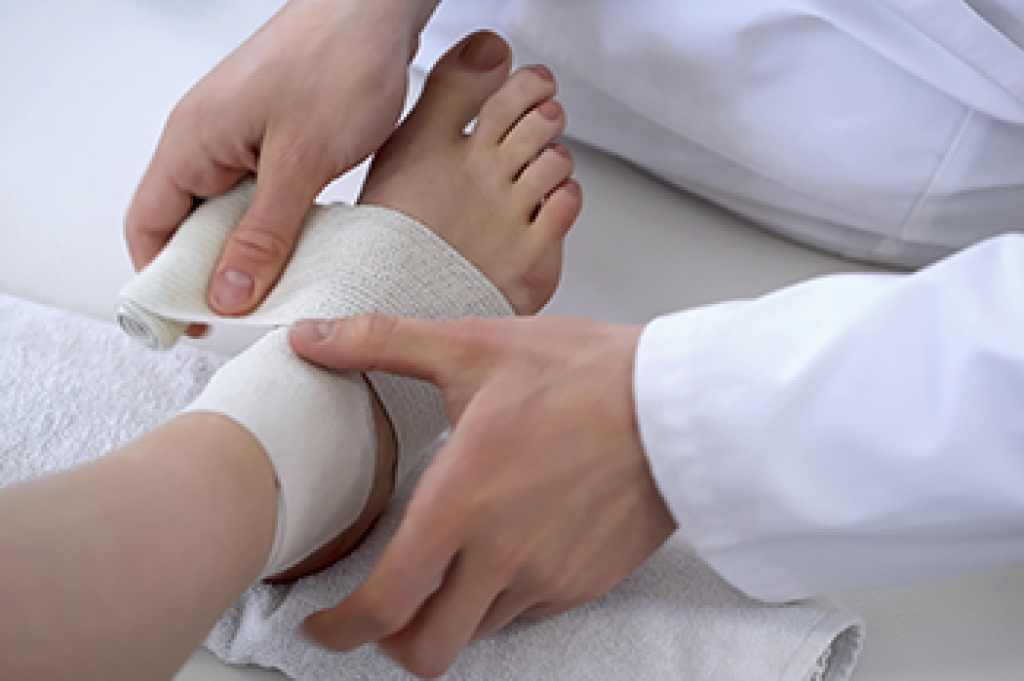
Ankle injuries are common, and it can be difficult to tell the difference between a sprain and a fracture without proper evaluation. Both often occur after a fall, misstep, or sudden twist and can cause immediate pain, swelling, and difficulty bearing weight. A sprained ankle involves stretched or torn ligaments, while a broken ankle affects one or more bones. Symptoms may include bruising, stiffness, and instability along with swelling, tenderness, limited motion. The ankle may look puffy or misshapen and it can feel sharp, throbbing, or weak, especially during movement. Causes range from sports injuries to uneven surfaces or simple accidents. A podiatrist can help by performing a detailed examination and ordering imaging to accurately diagnose the injury and rule out fractures. Treatment may begin with immobilization, rest, and supportive devices, and can progress to targeted exercises, bracing, or surgical care depending on severity. If you have an ankle injury, it is suggested that you make an appointment with a podiatrist.

Ankle sprains are common but need immediate attention. If you need your feet checked, contact one of our podiatrists from Manhattan Footcare. Our doctors can provide the care you need to keep you pain-free and on your feet.

How Does an Ankle Sprain Occur?

Ankle sprains take place when the ligaments in your ankle are torn or stretched beyond their limits. There are multiple ways that the ankle can become injured, including twisting or rolling over onto your ankle, putting undue stress on it, or causing trauma to the ankle itself.

What Are the Symptoms?

  • Mild to moderate bruising
  • Limited mobility
  • Swelling
  • Discoloration of the skin (depending on severity)

Preventing a Sprain

  • Wearing appropriate shoes for the occasion
  • Stretching before exercises and sports
  • Knowing your limits

Treatment of a Sprain

Treatment of a sprain depends on the severity.  Many times, people are told to rest and remain off their feet completely, while others are given an air cast. If the sprain is very severe, surgery may be required.

If you have suffered an ankle sprain previously, you may want to consider additional support such as a brace and regular exercises to strengthen the ankle.

If you have any questions please feel free to contact our offices located in Manhattan and Brooklyn, NY . We offer the newest diagnostic tools and technology to treat your foot and ankle needs.

Read more about Ankle Sprains

Causes of Cracked Heels

Cracked heels are a common foot condition marked by dry, thickened skin that splits along the edges of the heel. They often develop from a natural loss of skin elasticity with age, making the heels less able to stretch under pressure. Long showers, harsh soaps, and frequently walking barefoot can strip moisture from the skin and worsen dryness. Additional risk factors include prolonged standing, obesity, wearing open-backed shoes, and certain skin conditions. When left untreated, cracked heels may become painful or lead to infection. A podiatrist can evaluate heel health, remove hardened skin safely, and recommend medical grade moisturizers or protective treatments. If this applies to you, it is suggested that you promptly consult a podiatrist who can offer effective relief and treatment solutions, which may include prescribed medication.

Cracked heels are unsightly and can cause further damage to your shoes and feet. If you have any concerns, contact one of our podiatrists from Manhattan Footcare. Our doctors can provide the care you need to keep you pain-free and on your feet.

Cracked Heels

Cracked heels appear unappealing and can make it harder for you walk around in sandals. Aside from looking unpleasant, cracked heels can also tear stockings, socks, and wear out your shoes. There are several methods to help restore a cracked heel and prevent further damage.

How Do You Get Them?

Dry skin is the number one culprit in creating cracked heels. Many athletes, walkers, joggers, and even swimmers suffer from cracked heels. Age and skin oil production play a role to getting cracked heels as well.

Promote Healing

Over the counter medicines can help, especially for those that need instant relief or who suffer from chronic dry feet.

Wear Socks – Wearing socks with medicated creams helps lock in moisture.

Moisturizers – Applying both day and night will help alleviate dryness which causes cracking.

Pumice Stones – These exfoliate and remove dead skin, which allows for smoother moisturizer application and better absorption into the skin. 

Change in Diet

Eating healthy with a well-balanced diet will give the skin a fresh and radiant look. Your body responds to the kinds of food you ingest. Omega-3 fatty acids and zinc supplements can also revitalize skin tissue.

Most importantly, seek professional help if unsure how to proceed in treating cracked heels. A podiatrist will help you with any questions or information needed. 

If you have any questions, please feel free to contact our offices located in Manhattan and Brooklyn, NY . We offer the newest diagnostic and treatment technologies for all your foot care needs.

Read more about Solutions for Cracked Heels

Connect With Us