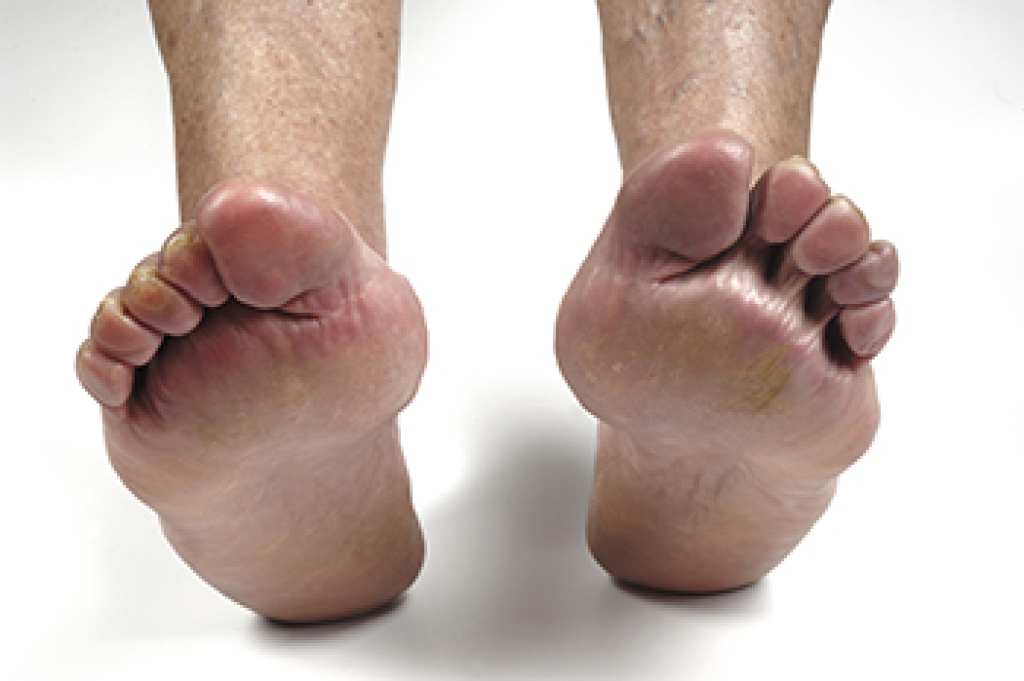
Walking With Rheumatoid Arthritis

Rheumatoid arthritis, or RA, is an autoimmune disease that can affect the small joints in the feet and ankles. It causes inflammation, pain, and swelling, which can make walking difficult. Over time, RA can damage the joints, leading to deformities such as bunions, hammertoes, and collapsed arches. This can result in pain with every step, stiffness, and loss of mobility. Many people with RA also experience fatigue, which adds to the challenge of staying active. Supportive footwear, custom orthotics, and bracing can help relieve pressure on painful joints. Targeting stretching and exercises that improve strength and flexibility may also make walking easier. If RA is affecting your feet, it is suggested that you see a podiatrist who can recommend treatments to reduce discomfort and prevent further joint damage.

Because RA affects more than just your joints, including the joints in your feet and ankles, it is important to seek early diagnosis from your podiatrist if you feel like the pain in your feet might be caused by RA. For more information, contact one of our podiatrists of Manhattan Footcare. Our doctors will assist you with all of your podiatric concerns.

What Is Rheumatoid Arthritis?

Rheumatoid Arthritis (RA) is an autoimmune disorder in which the body’s own immune system attacks the membranes surrounding the joints. Inflammation of the lining and eventually the destruction of the joint’s cartilage and bone occur, causing severe pain and immobility.

Rheumatoid Arthritis of the Feet

Although RA usually attacks multiple bones and joints throughout the entire body, almost 90 percent of cases result in pain in the foot or ankle area.

Symptoms

  • Swelling and pain in the feet
  • Stiffness in the feet
  • Pain on the ball or sole of feet
  • Joint shift and deformation

Diagnosis

Quick diagnosis of RA in the feet is important so that the podiatrist can treat the area effectively. Your doctor will ask you about your medical history, occupation, and lifestyle to determine the origin of the condition. Rheumatoid Factor tests help to determine if someone is affected by the disease.

If you have any questions, please feel free to contact our offices located in Manhattan and Brooklyn, NY . We offer the newest diagnostic and treatment technologies for all your foot care needs.

Read more about Rheumatoid Arthritis in the Feet

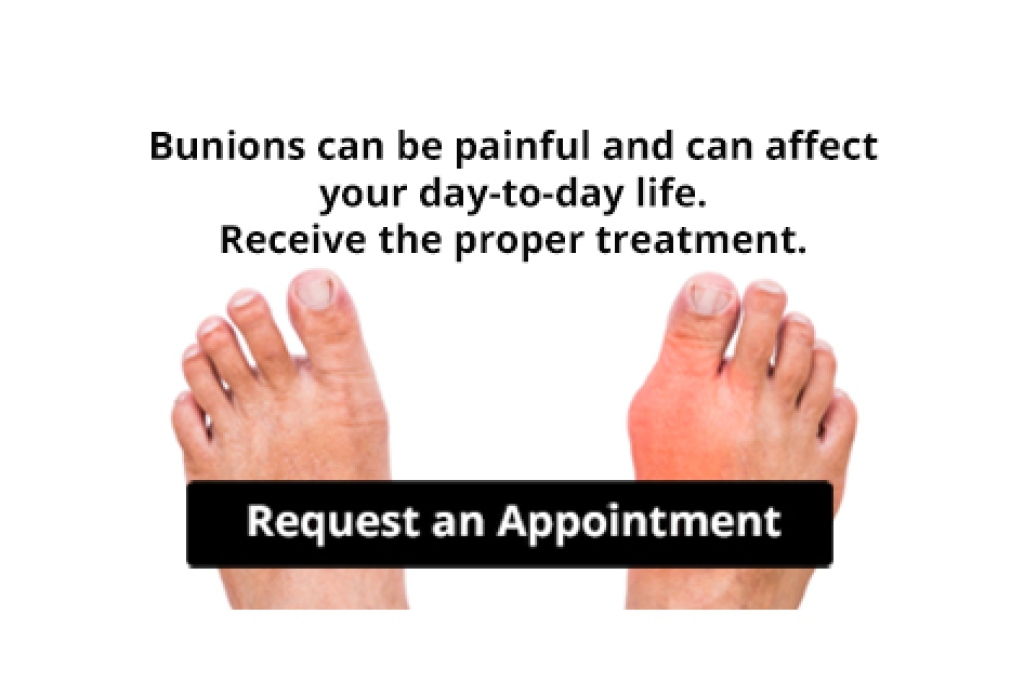
Are Bunions Affecting Your Everyday Life?

Have you noticed a bony protrusion on the side of your big toe? If so, you may have developed the foot condition known as a bunion. Don't let bunions interfere with your daily activities.

Custom Orthotics For Seniors

Age gracefully and move freely with Custom Orthotics. For seniors seeking to maintain their independence, Custom Orthotics offer the stability and comfort essential for daily activities. Custom-tailored to your feet, they provide support, reduce pain, and enhance mobility, ensuring you're always on sure footing. Don't let age-related foot concerns hold you back. With Custom Orthotics, embrace every golden moment with confidence. Call today to schedule an appointment.

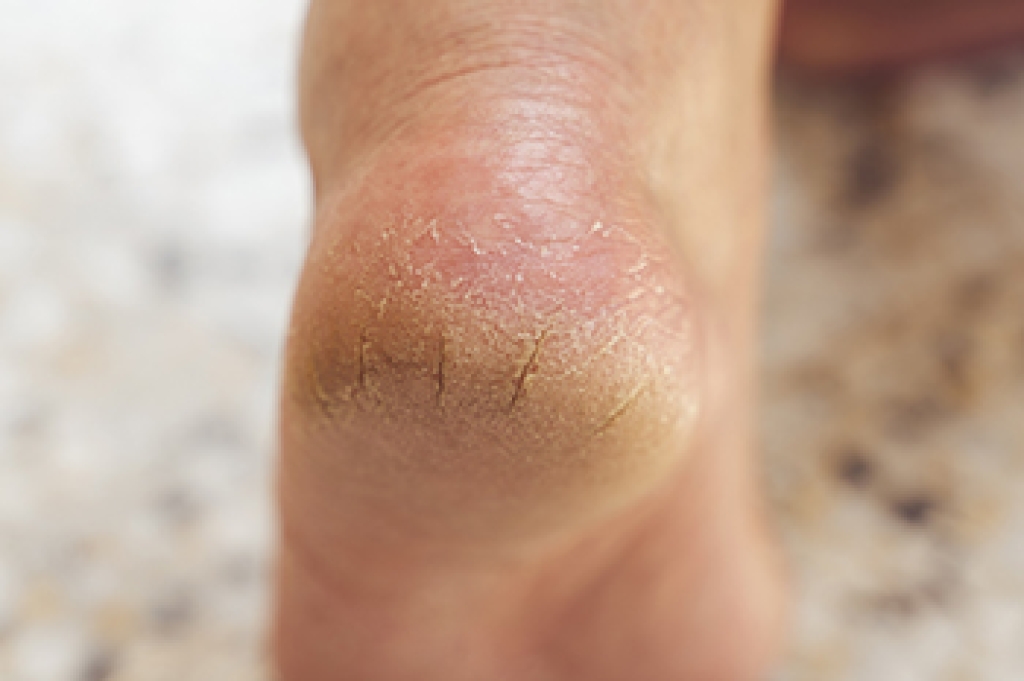
Why Are Cracked Heels More Common in Winter?

Cracked heels become a common concern during winter due to several factors that contribute to dryness and skin damage. Indoor heating systems create a dry environment that reduces moisture in the skin, leading to increased roughness and cracks. Many individuals also neglect proper hydration during colder months, which can cause the skin to become less supple and more prone to fissures. Wearing hard-soled shoes without adequate cushioning places excessive pressure on the heels, further aggravating the problem. Additionally, nutritional deficiencies, particularly a lack of essential vitamins and minerals such as vitamin E, zinc, and omega fatty acids, can weaken the skin barrier and impair healing. Cracked heels can be painful, causing difficulty in completing daily activities. If you have developed this condition, it is suggested that you consult a podiatrist who can offer effective treatment remedies, which may include prescription medicine.

Cracked heels are unsightly and can cause further damage to your shoes and feet. If you have any concerns, contact one of our podiatrists from Manhattan Footcare. Our doctors can provide the care you need to keep you pain-free and on your feet.

Cracked Heels

Cracked heels appear unappealing and can make it harder for you walk around in sandals. Aside from looking unpleasant, cracked heels can also tear stockings, socks, and wear out your shoes. There are several methods to help restore a cracked heel and prevent further damage.

How Do You Get Them?

Dry skin is the number one culprit in creating cracked heels. Many athletes, walkers, joggers, and even swimmers suffer from cracked heels. Age and skin oil production play a role to getting cracked heels as well.

Promote Healing

Over the counter medicines can help, especially for those that need instant relief or who suffer from chronic dry feet.

Wear Socks – Wearing socks with medicated creams helps lock in moisture.

Moisturizers – Applying both day and night will help alleviate dryness which causes cracking.

Pumice Stones – These exfoliate and remove dead skin, which allows for smoother moisturizer application and better absorption into the skin. 

Change in Diet

Eating healthy with a well-balanced diet will give the skin a fresh and radiant look. Your body responds to the kinds of food you ingest. Omega-3 fatty acids and zinc supplements can also revitalize skin tissue.

Most importantly, seek professional help if unsure how to proceed in treating cracked heels. A podiatrist will help you with any questions or information needed. 

If you have any questions, please feel free to contact our offices located in Manhattan and Brooklyn, NY . We offer the newest diagnostic and treatment technologies for all your foot care needs.
Read more about Solutions for Cracked Heels

Improving Employee Productivity With Orthotics

Implementing an insole program in the workplace can have a profound impact on both employee health and productivity. Many workers spend long hours on their feet, which can lead to foot pain, fatigue, and discomfort. By providing customized insoles, employers can help alleviate these issues, offering support and cushioning that promote proper alignment and reduce strain on the body. This leads to fewer injuries, less pain, and improved comfort throughout the workday. When employees feel better physically, their focus and efficiency increase, resulting in higher productivity. A well-designed insole program can also contribute to employee well-being, reducing the number of sick days and improving overall morale. Investing in foot health through insoles is a practical and effective way to enhance workplace performance while supporting long-term employee health. If you are an employer and you are interested in learning about an insole program that will benefit your employees, it is suggested that you consult a podiatrist.

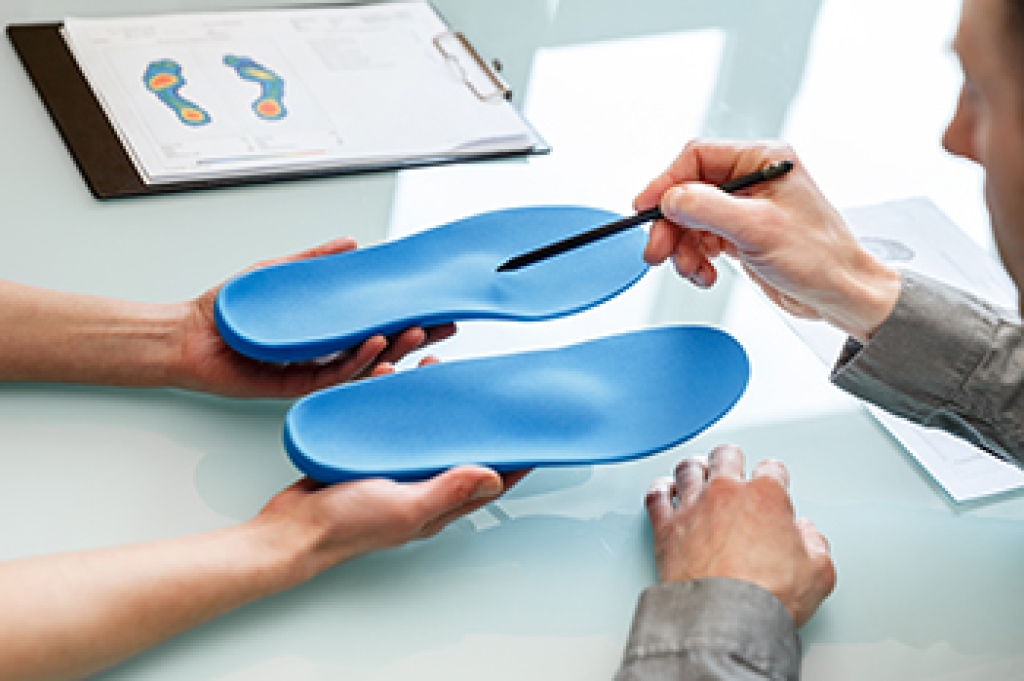
Custom orthotics are specialized shoe inserts created to support and align the feet according to each person’s unique structure and walking pattern. They are an effective way to relieve foot discomfort caused by conditions such as flat feet, high arches, plantar fasciitis, bunions, and heel pain. When the natural alignment of the foot is off balance, it can lead to pressure points, strain, and pain that affect how a person stands, walks, and moves. Orthotics work by redistributing weight evenly and supporting the arch to reduce stress on the muscles, tendons, and joints of the feet and lower legs.

Foot discomfort can develop for many reasons, including wearing improper footwear, long hours of standing, repetitive motion, or underlying structural problems. Over time, this discomfort can extend beyond the feet, contributing to knee, hip, or lower back pain. Custom orthotics help correct these issues by improving alignment and promoting more efficient movement. They are made using precise measurements and imaging to ensure the best fit for each patient, providing targeted support and cushioning where it is needed most.

Unlike generic insoles, custom orthotics are durable, medically designed, and tailored to your specific needs. Whether you are managing chronic pain, recovering from an injury, or simply seeking better comfort and stability, orthotics can make a noticeable difference in how your feet feel throughout the day.

If you are experiencing persistent foot discomfort or fatigue, it may be time to have your feet evaluated by a podiatrist. Call our office today for more information or to schedule an appointment.

If you have any questions, please feel free to contact our offices located in Manhattan and Brooklyn, NY

Read more about Investing in Custom Orthotics Means Investing in Foot Health

Identifying Toenail Fungus

Toenail fungus is a condition that causes nails to become discolored, thickened, or even crumble. The infection typically starts as a small white or yellow spot under the tip of the nail and can spread, leading to a more severe appearance. As the fungus progresses, nails may become brittle, cracked, or distorted, often causing discomfort or pain. The affected area might also have a foul odor. The primary cause of toenail fungus is exposure to warm, moist environments, such as public showers or tight-fitting shoes. Poor circulation, a weakened immune system, and injury to the nail can increase the risk. A podiatrist can diagnose toenail fungus and recommend antifungal medications, laser therapy, or specialized topical treatments to eliminate the infection. In severe cases, they may suggest nail removal. If you have developed toenail fungus, it is suggested that you schedule an appointment with a podiatrist for proper diagnosis and effective treatment.

For more information about treatment, contact one of our podiatrists of Manhattan Footcare. Our doctors can provide the care you need to keep you pain-free and on your feet.

Toenail Fungus Treatment

Toenail fungus is a condition that affects many people and can be especially hard to get rid of. Fortunately, there are several methods to go about treating and avoiding it.

Antifungals & Deterrence

Oral antifungal medicine has been shown to be effective in many cases. It is important to consult with a podiatrist to determine the proper regiment for you, or potentially explore other options.

Applying foot powder on the feet and shoes helps keep the feet free of moisture and sweat.

Sandals or open toed shoes – Wearing these will allow air movement and help keep feet dry. They also expose your feet to light, which fungus cannot tolerate. Socks with moisture wicking material also help as well.

If you have any questions please contact our offices located in Manhattan and Brooklyn, NY . We offer the newest diagnostic and treatment technologies for all your foot and ankle needs.

Read more about How to Treat Your Toenail Fungus

Causes and Symptoms of Flat Feet

Flat feet, also known as fallen arches, occur when the arch of the foot collapses, causing the entire sole to touch the ground. This condition can be present from birth or develop over time. Flat feet are often caused by genetics, where the individual inherits the condition from family members. Other causes include injury, overuse, or conditions such as arthritis and obesity, which place additional stress on the feet. In some cases, flat feet may also result from weakened or damaged tendons. The most common symptoms include pain or discomfort in the feet, especially after long periods of standing or physical activity. Swelling surrounding the ankles or arches and difficulty walking may also occur. While flat feet may not always require treatment, persistent pain or mobility issues should be addressed by a podiatrist. If you have painful flat feet, it is suggested that you are under the care of this type of doctor who can monitor this foot condition.

Flatfoot is a condition many people suffer from. If you have flat feet, contact one of our podiatrists from Manhattan Footcare. Our doctors will treat your foot and ankle needs.

What Are Flat Feet?

Flatfoot is a condition in which the arch of the foot is depressed and the sole of the foot is almost completely in contact with the ground. About 20-30% of the population generally has flat feet because their arches never formed during growth.

Conditions & Problems:

Having flat feet makes it difficult to run or walk because of the stress placed on the ankles.

Alignment – The general alignment of your legs can be disrupted, because the ankles move inward which can cause major discomfort.

Knees – If you have complications with your knees, flat feet can be a contributor to arthritis in that area.  

Symptoms

  • Pain around the heel or arch area
  • Trouble standing on the tip toe
  • Swelling around the inside of the ankle
  • Flat look to one or both feet
  • Having your shoes feel uneven when worn

Treatment

If you are experiencing pain and stress on the foot you may weaken the posterior tibial tendon, which runs around the inside of the ankle. 

If you have any questions, please feel free to contact our offices located in Manhattan and Brooklyn, NY . We offer the newest diagnostic and treatment technologies for all your foot care needs.
Read more about Flat Feet

Connect With Us

Advanced Podiatric Procedures & Services in the New York County: Midtown Manhattan NY (Murray Hill, Rose Hill, Kips Bay, Nomad, Gramercy Park, Peter Cooper Village, Midtown East, West Village, Chelsea, Garment District, Diamond District) and Kings County: Brooklyn, NY (Dumbo, Cobble Hill, Boerum Hill, Carroll Gardens, Brooklyn Heights, Clinton Hill, Columbia Street Waterfront District, Gowanus, Vinegar Hill, Park Slope)