Foot complications linked to diabetes are still common and can be difficult to manage. They often require long treatment and can lead to serious health problems, if not addressed early. Today, digital tools allow doctors to track patients from home. Temperature sensors and other devices can spot early signs of inflammation before a wound forms. New treatment methods and advanced wound dressings are also helping sores close more effectively. Doctors now focus not only on healing wounds but also on preventing them from returning. Foot sores frequently come back after healing, so long-term care is critical. If you have diabetes, routine foot checks matter, and it is suggested that you see a podiatrist who can detect early warning signs and help protect your feet from serious complications.
Wound care is an important part in dealing with diabetes. If you have diabetes and a foot wound or would like more information about wound care for diabetics, consult with one of our podiatrists from Manhattan Footcare. Our doctors will assess your condition and provide you with quality foot and ankle treatment.
What Is Wound Care?
Wound care is the practice of taking proper care of a wound. This can range from the smallest to the largest of wounds. While everyone can benefit from proper wound care, it is much more important for diabetics. Diabetics often suffer from poor blood circulation which causes wounds to heal much slower than they would in a non-diabetic.
What Is the Importance of Wound Care?
While it may not seem apparent with small ulcers on the foot, for diabetics, any size ulcer can become infected. Diabetics often also suffer from neuropathy, or nerve loss. This means they might not even feel when they have an ulcer on their foot. If the wound becomes severely infected, amputation may be necessary. Therefore, it is of the upmost importance to properly care for any and all foot wounds.
How to Care for Wounds
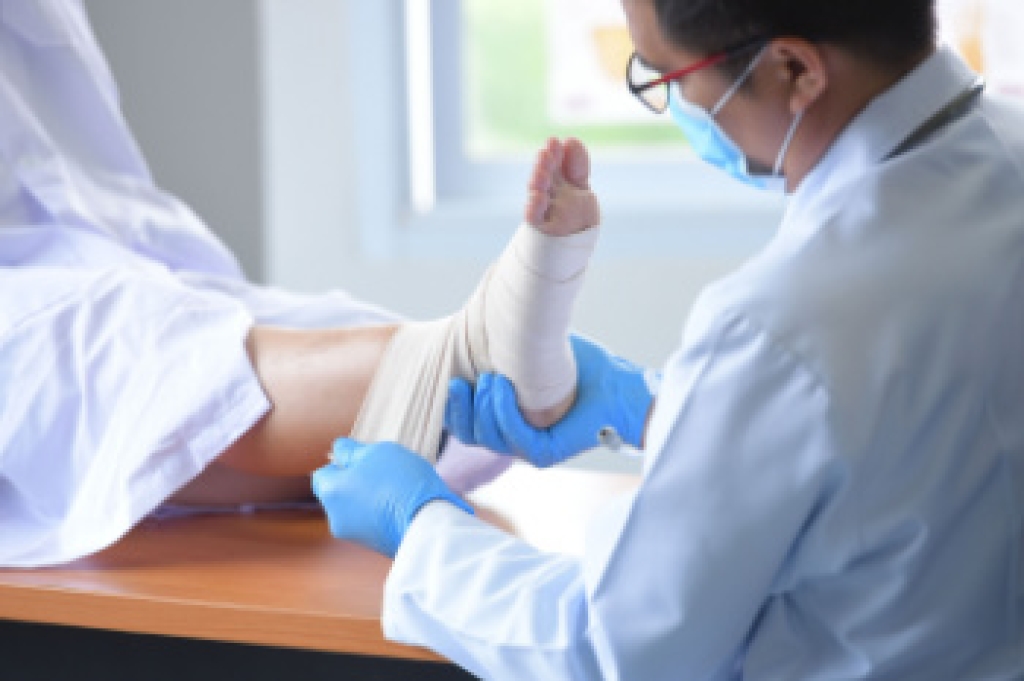
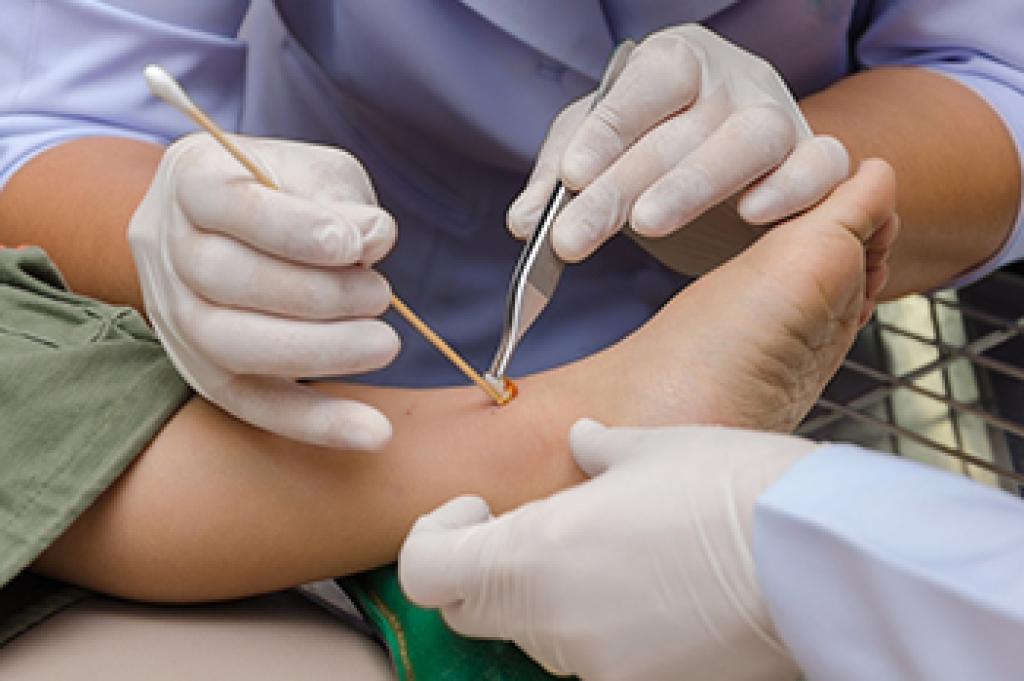
The best way to care for foot wounds is to prevent them. For diabetics, this means daily inspections of the feet for any signs of abnormalities or ulcers. It is also recommended to see a podiatrist several times a year for a foot inspection. If you do have an ulcer, run the wound under water to clear dirt from the wound; then apply antibiotic ointment to the wound and cover with a bandage. Bandages should be changed daily and keeping pressure off the wound is smart. It is advised to see a podiatrist, who can keep an eye on it.
If you have any questions please contact our offices located in Manhattan and Brooklyn, NY . We offer the newest diagnostic and treatment technologies for all your foot and ankle needs.