Diabetic Foot Ulcers and Proper Wound Care

A diabetic foot ulcer is an open sore that develops on the foot of a person with diabetes. These wounds commonly form when nerve damage reduces feeling in the feet. A person may not notice a cut, blister, or scrape right away. Poor blood flow can also slow healing and increase the risk of infection. Diabetic foot ulcers are most likely to appear on the bottom of the foot or under pressure points. Symptoms include redness, swelling, drainage, and pain, but some people feel very little discomfort because of nerve damage. Early detection is important because untreated ulcers can become deeper and more difficult to manage.

Proper wound care plays a major role in helping a diabetic foot ulcer heal. A podiatrist carefully examines the wound and looks for signs of infection. Treatment includes cleaning the ulcer and removing dead or damaged tissue. This process is called debridement and helps healthy tissue heal more effectively. Dressings are used to protect the wound and maintain a healthy healing environment. Treatment also includes reducing pressure on the ulcer. This is known as off-loading. Special footwear, a walking boot, or other devices help keep weight away from the injured area while walking.

Managing diabetes is another important part of wound care. Good blood sugar control supports the body's ability to heal. In addition, patients should inspect their feet daily and report changes promptly. Signs of infection include redness, warmth, and drainage. Other signs include swelling, odor, or increasing pain. A podiatrist can monitor healing progress and adjust treatment when necessary. Prompt care lowers the risk of more serious complications, including loss of limb. If you have developed a foot ulcer as a result of diabetes, it is suggested that you are under the care of a podiatrist who can effectively treat foot wounds, and help you to manage this serious condition.

Wound care is an important part in dealing with diabetes. If you have diabetes and a foot wound or would like more information about wound care for diabetics, consult with one of our podiatrists from Manhattan Footcare. Our doctors will assess your condition and provide you with quality foot and ankle treatment.

What Is Wound Care?

Wound care is the practice of taking proper care of a wound. This can range from the smallest to the largest of wounds. While everyone can benefit from proper wound care, it is much more important for diabetics. Diabetics often suffer from poor blood circulation which causes wounds to heal much slower than they would in a non-diabetic. 

What Is the Importance of Wound Care?

While it may not seem apparent with small ulcers on the foot, for diabetics, any size ulcer can become infected. Diabetics often also suffer from neuropathy, or nerve loss. This means they might not even feel when they have an ulcer on their foot. If the wound becomes severely infected, amputation may be necessary. Therefore, it is of the upmost importance to properly care for any and all foot wounds.

How to Care for Wounds

The best way to care for foot wounds is to prevent them. For diabetics, this means daily inspections of the feet for any signs of abnormalities or ulcers. It is also recommended to see a podiatrist several times a year for a foot inspection. If you do have an ulcer, run the wound under water to clear dirt from the wound; then apply antibiotic ointment to the wound and cover with a bandage. Bandages should be changed daily and keeping pressure off the wound is smart. It is advised to see a podiatrist, who can keep an eye on it.

If you have any questions please contact our offices located in Manhattan and Brooklyn, NY . We offer the newest diagnostic and treatment technologies for all your foot and ankle needs.

Read more about Wound Care

Chronic Ankle Instability and Recurring Lateral Sprains

Chronic ankle instability develops after repeated lateral ankle sprains. These injuries lead to persistent weakness and can cause a feeling of the ankle giving way. This condition affects the stability of the ankle joint and can interfere with both athletic performance and daily activities. It often begins with an initial sprain that does not fully heal, resulting in ongoing ligament laxity. Eventually, the ankle becomes less reliable, increasing the risk of additional injuries and long-term joint damage.

Common symptoms of chronic ankle instability include recurring ankle sprains, ongoing discomfort, and swelling after activity. Individuals may notice difficulty maintaining balance or a sense that the ankle is unstable during movement. Pain may be mild or moderate, but can become more noticeable with increased activity. Limited range of motion and stiffness are also common. If they are not properly addressed, these symptoms can significantly impact mobility and quality of life.


Risk factors for chronic ankle instability include a history of untreated or poorly managed ankle sprains. Weak supporting muscles, poor proprioception, and inadequate rehabilitation all contribute to continued instability. Participation in high impact sports or activities with frequent directional changes can increase strain on the ankle. Improper footwear and uneven surfaces further elevate the risk of reinjury. Identifying these factors is important for preventing progression and improving joint support.


The causes of chronic ankle instability are linked to repeated damage to the lateral ligaments and insufficient healing. Each sprain weakens the structural integrity of the joint, making it more prone to future injury. Comprehensive treatment focuses on strengthening, stability training, and proper foot alignment. Early intervention can reduce recurrence and improve function. If you have ankle sprains or chronic instability, it is suggested you consult a podiatrist for an accurate diagnosis and appropriate treatment.

Although ankle sprains are common, they aren’t always minor injuries. If you need your ankle injury looked at, contact one of our podiatrists from Manhattan Footcare. Our doctors can provide the care you need to keep you pain-free and on your feet.

How Does an Ankle Sprain Occur?

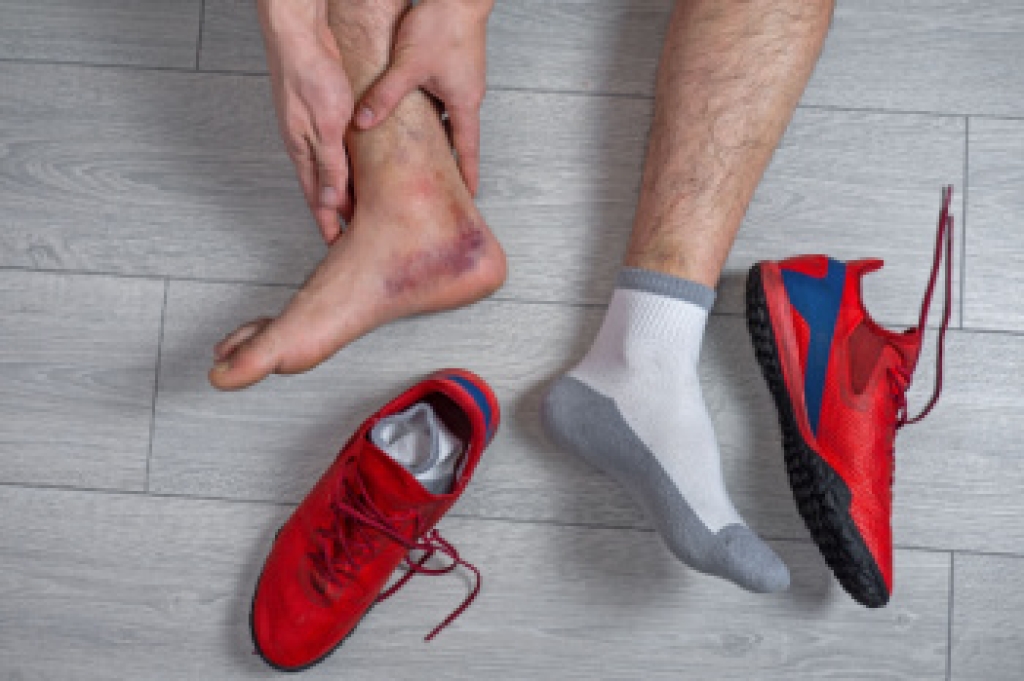
Ankle sprains are the result of a tear in the ligaments within the ankle. These injuries may happen when you make a rapid shifting movement while your foot is planted. A less common way to sprain your ankle is when your ankle rolls inward while your foot turns outward.

What Are the Symptoms?

  • Pain at the sight of the tear
  • Bruising/Swelling
  • Ankle area is tender to touch
  • In severe cases, may hear/feel something tear
  • Skin discoloration

Preventing a Sprain

  • Wearing appropriate shoes for the occasion
  • Stretching before exercises and sports
  • Knowing your limits

Treatment of a Sprain

In many cases, the RICE method (Rest, Ice, Compression, and Elevate) is used to treat ankle sprains. However, you should see a podiatrist to see which treatment option would work best with your injury. In severe cases, surgery may be required.

It is important to ask your doctor about rehab options after you receive treatment for your injury. Stretching, strength training, and balance exercises may help the ankle heal while also preventing further injury.

If you have any questions, please feel free to contact our offices located in Manhattan and Brooklyn, NY . We offer the newest diagnostic and treatment technologies for all your foot care needs.

Read more about Three Grades of Ankle Sprains

Do Your Child's Feet Hurt?

Have your child's feet been examined lately? Healthy feet are happy feet. If your child is complaining of foot pain, it may be a sign of underlying problems.

Toenail Injuries That Plague Runners

Runners frequently develop toenail injuries from repeated pressure inside their shoes. Long-distance running, steep hills, and shoes that are too tight can cause the toenails to strike the front of the shoe again and again. This repeated stress can lead to black toenails, bruising under the nail, and painful swelling around the nail. Some runners also lose a toenail after a race. Cracked nails and torn skin near the nail can develop after trail running on uneven ground. These injuries can make running painful and increase the risk of infection. A podiatrist can examine the nail, relieve pressure under the nail, and treat damaged skin or infection. Custom orthotics and proper shoe recommendations can also help reduce repeated trauma to the toes while running. Early treatment can help protect the nail and prevent long-term nail changes. If you have developed toenail problems as a result of running, it is suggested that you make an appointment with a podiatrist for treatment.

Exercising your feet regularly with the proper foot wear is a great way to prevent injuries. If you have any concerns about your feet, contact one of our podiatrists of Manhattan Footcare. Our doctors will treat your foot and ankle needs.

How to Prevent Running Injuries

Many common running injuries are caused by overuse and overtraining. When the back of the kneecap starts wearing out and starts causing pain in your knee, this is commonly referred to as runner’s knee. Runner’s knee is a decrease in strength in your quadriceps and can occur if you’re not wearing properly fitted or supporting shoes. To prevent runner’s knee, focusing on hip strengthening is a good idea, as well as strengthening your quads to keep the kneecaps aligned.

What Are Some Causes of Running Injuries? 
- One cause of a common running injury is called iliotibial band syndrome.
- Plantar fasciitis is also another common injury.
- Stress fractures can occur from overtraining, lack of calcium, or even your running style.

Best Ways to Prevent Running Injuries
- Wear footwear that fits properly and suits your running needs.
- Running shoes are the only protective gear that runners have to safeguard them from injury.
- Make a training schedule. Adding strengthening exercises as well as regular stretching can help keep you strong and limber and can lessen the possibility of injuries.
- Stretching keeps muscles limber; this will help you gain better flexibility.

If you have any questions, please feel free to contact our offices located in Manhattan and Brooklyn, NY . We offer the newest diagnostic and treatment technologies for all your foot care needs.

Read more about How to Prevent Running Injuries

Why Your Feet Feel Itchy

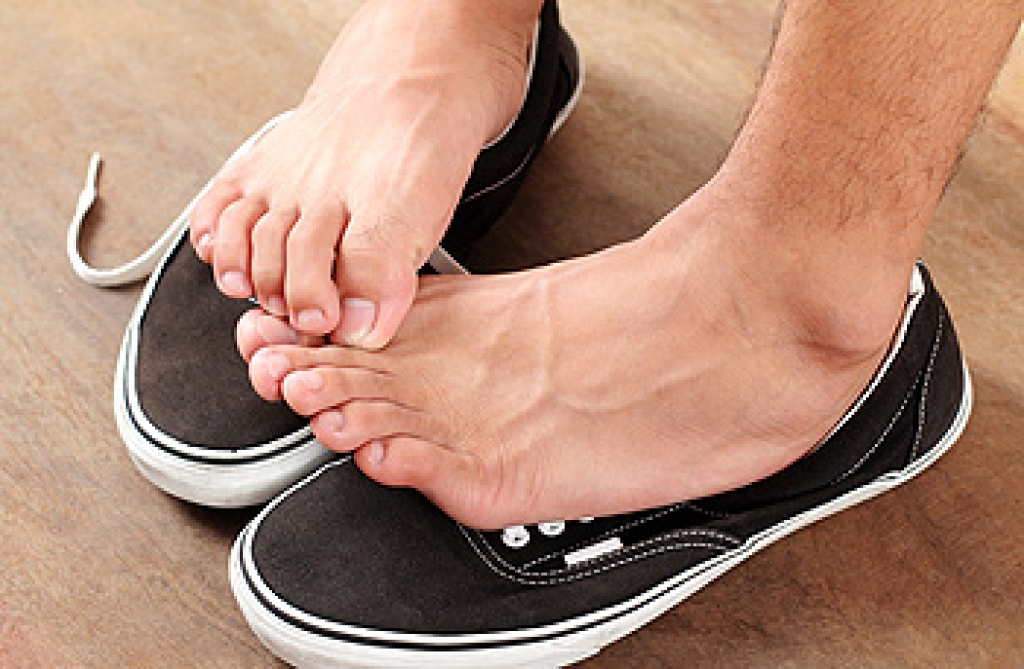
Itchy feet can be more than a minor annoyance and signal an underlying skin condition. One common cause is athlete’s foot, a fungal infection that thrives in warm and damp environments, and leads to peeling skin and intense itching. Dry skin may also cause irritation, especially during colder months. Contact dermatitis can occur when the skin reacts to certain soaps, fabrics, or chemicals, leading to redness and discomfort. Chronic conditions like eczema or psoriasis may create patches of thickened, inflamed skin that itch persistently. Risk factors include sweating, poor ventilation in footwear, and sensitive skin. A podiatrist can diagnose the source, perform testing if needed, and provide targeted treatments to reduce symptoms and prevent spread or recurrence. If your feet have become itchy, it is suggested that you consult a podiatrist who can offer effective relief solutions.

Foot Pain

Foot pain can be extremely painful and debilitating. If you have a foot pain, consult with one of our podiatrists from Manhattan Footcare. Our doctors will assess your condition and provide you with quality foot and ankle treatment.

Causes

Foot pain is a very broad condition that could be caused by one or more ailments. The most common include:

  • Bunions
  • Hammertoes
  • Plantar Fasciitis
  • Bone Spurs
  • Corns
  • Tarsal Tunnel Syndrome
  • Ingrown Toenails
  • Arthritis (such as Gout, Rheumatoid, and Osteoarthritis)
  • Flat Feet
  • Injury (from stress fractures, broken toe, foot, ankle, Achilles tendon ruptures, and sprains)
  • And more

Diagnosis

To figure out the cause of foot pain, podiatrists utilize several different methods. This can range from simple visual inspections and sensation tests to X-rays and MRI scans. Prior medical history, family medical history, and any recent physical traumatic events will all be taken into consideration for a proper diagnosis.

Treatment

Treatment depends upon the cause of the foot pain. Whether it is resting, staying off the foot, or having surgery; podiatrists have a number of treatment options available for foot pain.

If you have any questions, please feel free to contact our offices located in Manhattan and Brooklyn, NY . We offer the newest diagnostic and treatment technologies for all your foot care needs.

Read more about Foot Pain

Connect With Us

Advanced Podiatric Procedures & Services in the New York County: Midtown Manhattan NY (Murray Hill, Rose Hill, Kips Bay, Nomad, Gramercy Park, Peter Cooper Village, Midtown East, West Village, Chelsea, Garment District, Diamond District) and Kings County: Brooklyn, NY (Dumbo, Cobble Hill, Boerum Hill, Carroll Gardens, Brooklyn Heights, Clinton Hill, Columbia Street Waterfront District, Gowanus, Vinegar Hill, Park Slope)