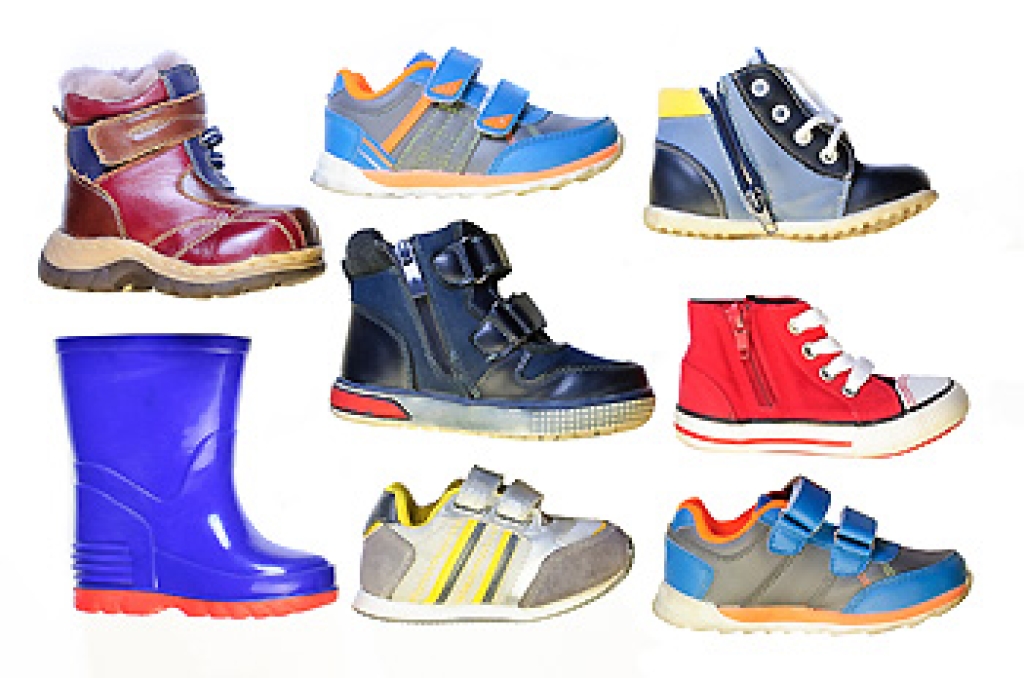
The Right Shoes May Prevent Foot Problems in Kids

Children, like adults, can have a variety of foot problems. Many children have flat feet, an overpronated gait, blisters, calluses, or corns. The right shoes can help mitigate some of these issues. Children with flat feet often have an overpronated gait in which their feet roll inwards as they walk. The right pair of shoes can help correct overpronation and adequately support your child’s feet. Blisters, calluses, and corns all affect the skin of the feet. The most common culprit behind these issues is wearing the wrong shoes. Shoes that are too small, tight, or narrow put excess pressure and friction on the feet, causing these skin problems to develop. Not wearing socks can sometimes make these problems worse. To avoid irritations to the skin of the feet, it is important to wear shoes that fit properly and socks to protect the feet. If your child has foot problems, please consult with a podiatrist.

Making sure that your children maintain good foot health is very important as they grow. If you have any questions, contact one of our podiatrists of Manhattan Footcare. Our doctors can provide the care you need to keep you pain-free and on your feet.

Keeping Children's Feet Healthy

Having healthy feet during childhood can help prevent medical problems later in life, namely in the back and legs. As children grow, their feet require different types of care. Here are some things to consider...

Although babies do not walk yet, it is still very important to take care of their feet.

Avoid putting tight shoes or socks on his or her feet.

Allow the baby to stretch and kick his or her feet to feel comfortable.

As a toddler, kids are now on the move and begin to develop differently. At this age, toddlers are getting a feel for walking, so don’t be alarmed if your toddler is unsteady or ‘walks funny’. 

As your child gets older, it is important to teach them how to take care of their feet.

Show them proper hygiene to prevent infections such as fungus.

Be watchful for any pain or injury.

Have all injuries checked by a doctor as soon as possible.

Comfortable, protective shoes should always be worn, especially at play.

If you have any questions, please feel free to contact our offices located in Manhattan and Brooklyn, NY . We offer the newest diagnostic and treatment technologies for all your foot care needs.
Read more about What to Do to Keep Your Child’s Feet Healthy

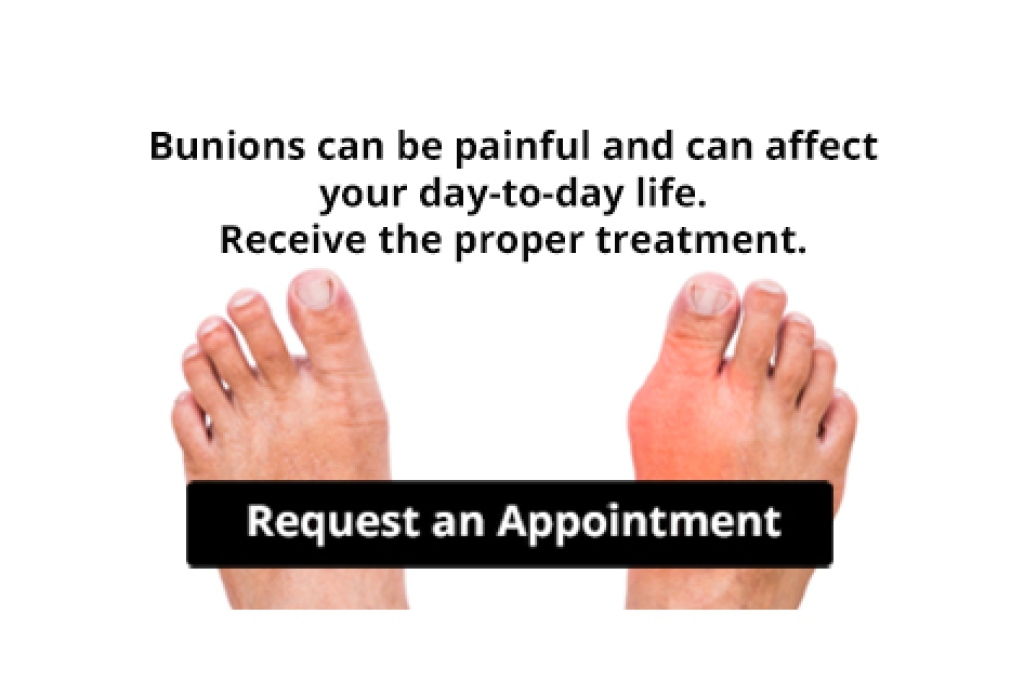
Are Bunions Affecting Your Everyday Life?

Have you noticed a bony protrusion on the side of your big toe? If so, you may have developed the foot condition known as a bunion. Don't let bunions interfere with your daily activities.

Types Orthotics for Foot and Ankle Pain

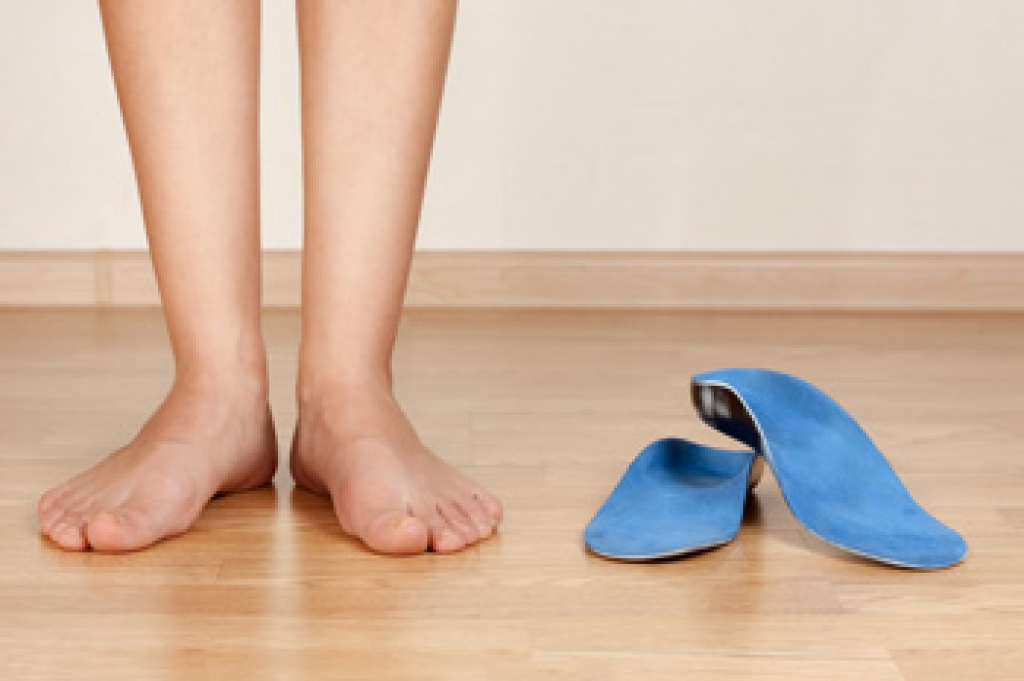
Orthotics are specialized shoes or heel inserts that are made to treat various foot and ankle problems. They can be bought over the counter at major retailers or be custom-made by a podiatrist. Different types of orthotics are designed to treat different types of foot and ankle problems. Full support shoe orthotics, such as orthotic inserts, splints, and traction devices, are useful for patients who have injuries associated with overuse, stress, or arthritis. Heel pads are a type of orthotic often used to correct foot overpronation, a type of gait where the foot rolls inward while standing or walking. Traction shoes or traction ankle supports are orthotic devices used to reduce pain and swelling from conditions such as bunions or ankle sprains. To see if orthotics are right for you, please consult with a podiatrist.

If you are having discomfort in your feet and would like to try orthotics, contact one of our podiatrists from Manhattan Footcare. Our doctors can provide the care you need to keep you pain-free and on your feet.

What Are Orthotics?

Orthotics are inserts you can place into your shoes to help with a variety of foot problems such as flat feet or foot pain. Orthotics provide relief and comfort for minor foot and heel pain but can’t correct serious biomechanical problems in your feet.

Over-the-Counter Inserts

Orthotics come in a wide variety of over-the-counter inserts that are used to treat foot pain, heel pain, and minor problems. For example, arch supports can be inserted into your shoes to help correct overarched or flat feet, while gel insoles are often used because they provide comfort and relief from foot and heel pain by alleviating pressure.

Prescription Orthotics

If over-the-counter inserts don’t work for you or if you have a more severe foot concern, it is possible to have your podiatrist prescribe custom orthotics. These high-quality inserts are designed to treat problems such as abnormal motion, plantar fasciitis, and severe forms of heel pain. They can even be used to help patients suffering from diabetes by treating foot ulcers and painful calluses and are usually molded to your feet individually, which allows them to provide full support and comfort.

If you are experiencing minor to severe foot or heel pain, it’s recommended to speak with your podiatrist about the possibilities of using orthotics. A podiatrist can determine which type of orthotic is right for you and allow you to take the first steps towards being pain-free.

If you have any questions, please feel free to contact our offices located in Manhattan and Brooklyn, NY . We offer the newest diagnostic and treatment technologies for all your foot care needs.
Read more about Ankle Foot Orthotics for Athletes

How Is Peripheral Neuropathy Diagnosed?

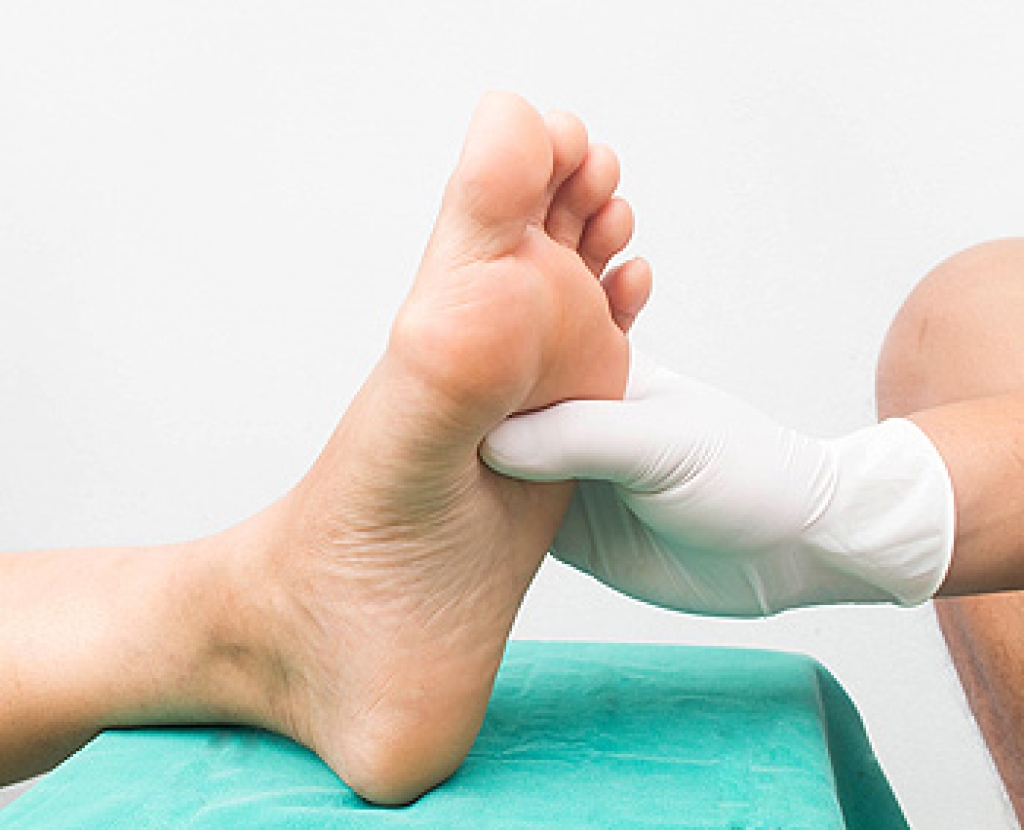
Peripheral neuropathy is a condition in which the nerves of the lower limbs become damaged. This can cause symptoms in the legs and feet such as tingling, numbness, a pins and needles sensation, burning, stabbing, or shooting pains, and weakness. Peripheral neuropathy can be diagnosed through a physical examination of the feet. During the exam, the doctor will look at your feet to check for any injuries or abnormalities. They will also check to see if you have a loss of sensation in your feet by using instruments such as a tuning fork or monofilament. If nerve damage is suspected, the doctor may order further tests, such as an electromyograph (EMG), to confirm the diagnosis and evaluate the extent of damage. If you have the symptoms of peripheral neuropathy in your lower limbs, it is recommended that you seek the care of a podiatrist.

Neuropathy

Neuropathy can be a potentially serious condition, especially if it is left undiagnosed. If you have any concerns that you may be experiencing nerve loss in your feet, consult with one of our podiatrists from Manhattan Footcare. Our doctors will assess your condition and provide you with quality foot and ankle treatment for neuropathy.

What Is Neuropathy?

Neuropathy is a condition that leads to damage to the nerves in the body. Peripheral neuropathy, or neuropathy that affects your peripheral nervous system, usually occurs in the feet. Neuropathy can be triggered by a number of different causes. Such causes include diabetes, infections, cancers, disorders, and toxic substances.

Symptoms of Neuropathy Include:

  • Numbness
  • Sensation loss
  • Prickling and tingling sensations
  • Throbbing, freezing, burning pains
  • Muscle weakness

Those with diabetes are at serious risk due to being unable to feel an ulcer on their feet. Diabetics usually also suffer from poor blood circulation. This can lead to the wound not healing, infections occurring, and the limb may have to be amputated.

Treatment

To treat neuropathy in the foot, podiatrists will first diagnose the cause of the neuropathy. Figuring out the underlying cause of the neuropathy will allow the podiatrist to prescribe the best treatment, whether it be caused by diabetes, toxic substance exposure, infection, etc. If the nerve has not died, then it’s possible that sensation may be able to return to the foot.

Pain medication may be issued for pain. Electrical nerve stimulation can be used to stimulate nerves. If the neuropathy is caused from pressure on the nerves, then surgery may be necessary.

If you have any questions, please feel free to contact our offices located in Manhattan and Brooklyn, NY . We offer the newest diagnostic and treatment technologies for all your foot care needs.
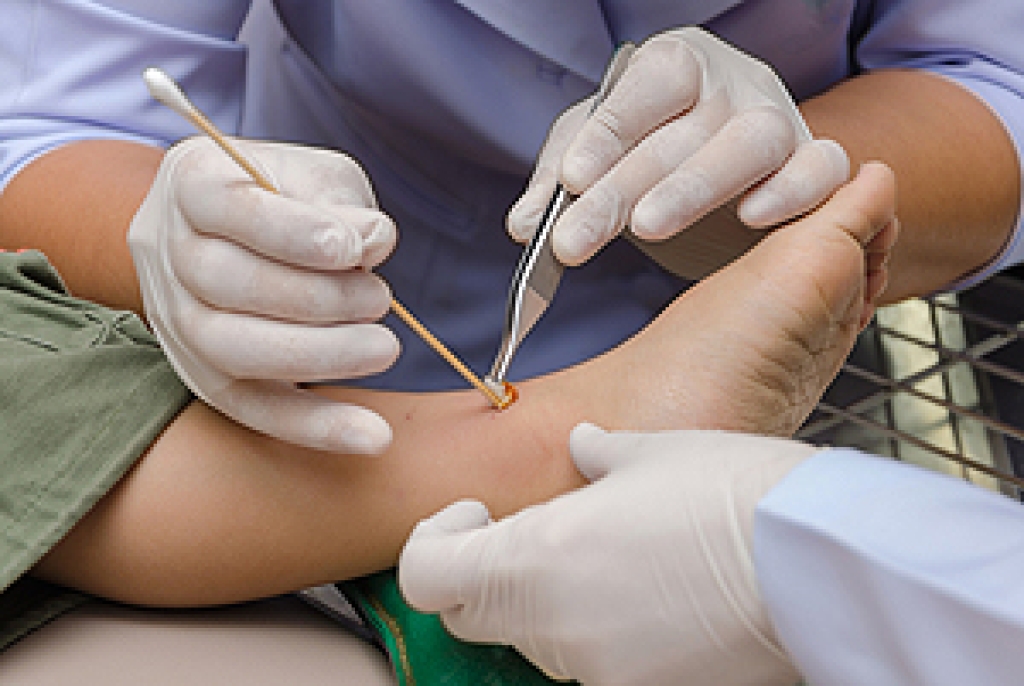
Read more about Neuropathy

Diabetic Foot Wounds May Heal Slowly

Diabetic foot wounds are chronic ulcers that may appear on the feet of people who have diabetes. Because these wounds heal slowly and poorly, and often become infected, diabetic foot ulcers are a major cause of lower limb amputations. Preventing these wounds from occurring in the first place continues to be an important goal for maintaining the overall health of people with diabetes. You can help prevent wounds by practicing good foot hygiene and wearing shoes and socks when you are on your feet. Performing daily foot inspections, in which you check your feet for any abnormalities—such as cuts, scrapes, sores, discoloration, and pain or strange sensations—can help detect problems early on and improve treatment outcomes. For more information about diabetic foot health, please consult with a podiatrist. 

Wound care is an important part in dealing with diabetes. If you have diabetes and a foot wound or would like more information about wound care for diabetics, consult with one of our podiatrists from Manhattan Footcare. Our doctors will assess your condition and provide you with quality foot and ankle treatment.

What Is Wound Care?

Wound care is the practice of taking proper care of a wound. This can range from the smallest to the largest of wounds. While everyone can benefit from proper wound care, it is much more important for diabetics. Diabetics often suffer from poor blood circulation which causes wounds to heal much slower than they would in a non-diabetic. 

What Is the Importance of Wound Care?

While it may not seem apparent with small ulcers on the foot, for diabetics, any size ulcer can become infected. Diabetics often also suffer from neuropathy, or nerve loss. This means they might not even feel when they have an ulcer on their foot. If the wound becomes severely infected, amputation may be necessary. Therefore, it is of the upmost importance to properly care for any and all foot wounds.

How to Care for Wounds

The best way to care for foot wounds is to prevent them. For diabetics, this means daily inspections of the feet for any signs of abnormalities or ulcers. It is also recommended to see a podiatrist several times a year for a foot inspection. If you do have an ulcer, run the wound under water to clear dirt from the wound; then apply antibiotic ointment to the wound and cover with a bandage. Bandages should be changed daily and keeping pressure off the wound is smart. It is advised to see a podiatrist, who can keep an eye on it.

If you have any questions please contact our offices located in Manhattan and Brooklyn, NY . We offer the newest diagnostic and treatment technologies for all your foot and ankle needs.

Read more about Wound Care

Connect With Us

Advanced Podiatric Procedures & Services in the New York County: Midtown Manhattan NY (Murray Hill, Rose Hill, Kips Bay, Nomad, Gramercy Park, Peter Cooper Village, Midtown East, West Village, Chelsea, Garment District, Diamond District) and Kings County: Brooklyn, NY (Dumbo, Cobble Hill, Boerum Hill, Carroll Gardens, Brooklyn Heights, Clinton Hill, Columbia Street Waterfront District, Gowanus, Vinegar Hill, Park Slope)