
Do you suffer from heel pain when you get up in the morning? If so, you should seek professional help and have a proper diagnosis performed. Heel pain can be caused by several different foot-related conditions.
Do you suffer from heel pain when you get up in the morning? If so, you should seek professional help and have a proper diagnosis performed. Heel pain can be caused by several different foot-related conditions.
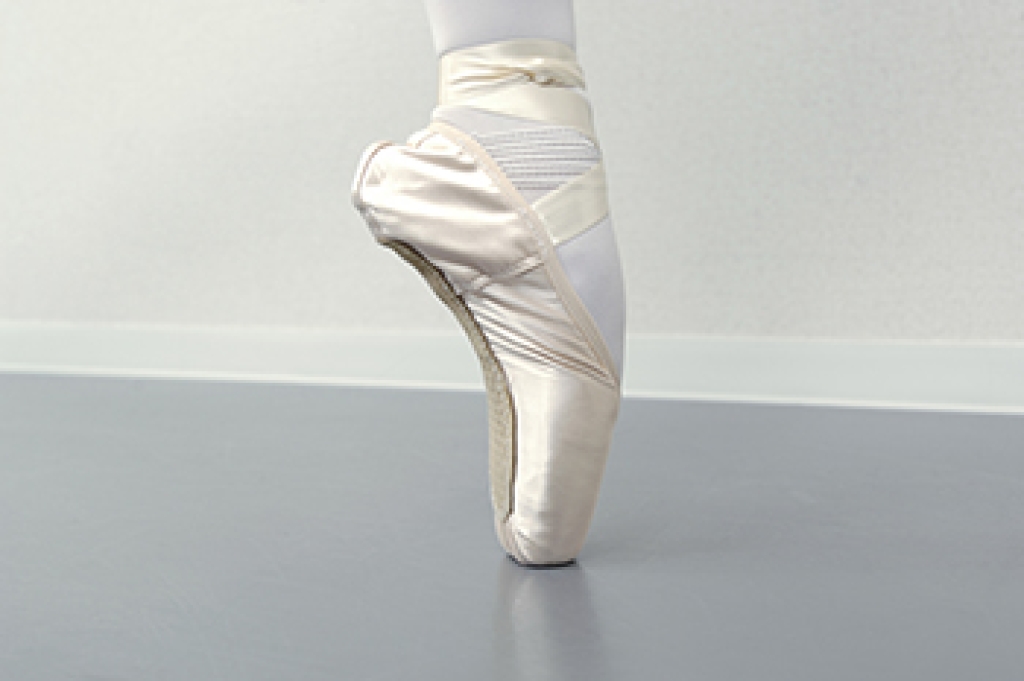
When it comes to dance, gymnastics, or even just maintaining healthy feet, having a well-pointed toe can make a significant difference. Achieving a beautifully pointed toe is not just about aesthetics, it is also about improving your overall foot flexibility and strength. Foot stretching is the key to unlocking this potential. Begin by sitting comfortably with your legs extended in front of you. Point your toes as far as possible and hold for a few seconds, feeling the stretch along the top of your feet. Next, flex your feet by pulling your toes towards you while keeping your heels on the ground. Repeat this cycle several times, gradually increasing the duration of each stretch. Another effective exercise involves using a resistance band. Sit with your legs extended, loop the band around your toes, and gently pull the band towards you. This will help improve the flexibility of your toes and the arches of your feet. It is beneficial to incorporate calf stretches into your routine, as flexible calf muscles can enhance your ability to point your toes effectively. Simple calf stretches can help maintain the alignment of your feet and ankles, supporting a graceful toe point. Consistency is important, and by regularly practicing foot stretches and exercises, you can steadily improve your toe point and enjoy the benefits of stronger and more flexible feet. If you would like more information about foot stretches that can strengthen the toes, it is suggested that you confer with a podiatrist.
Stretching the feet is a great way to prevent injuries. If you have any concerns with your feet consult with one of our podiatrists from Manhattan Footcare. Our doctors will assess your condition and provide you with quality foot and ankle treatment.
Stretching the Feet
Stretching the muscles in the foot is an important part in any physical activity. Feet that are tight can lead to less flexibility and make you more prone to injury. One of the most common forms of foot pain, plantar fasciitis, can be stretched out to help ease the pain. Stretching can not only ease pain from plantar fasciitis but also prevent it as well. However, it is important to see a podiatrist first if stretching is right for you. Podiatrists can also recommend other ways to stretch your feet. Once you know whether stretching is right for you, here are some excellent stretches you can do.
It is best to go easy when first stretching your foot and work your way up. If your foot starts hurting, stop exercising and ice and rest the foot. It is advised to then see a podiatrist for help.
If you have any questions please contact our offices located in Manhattan and Brooklyn, NY . We offer the newest diagnostic and treatment technologies for all your foot and ankle needs.
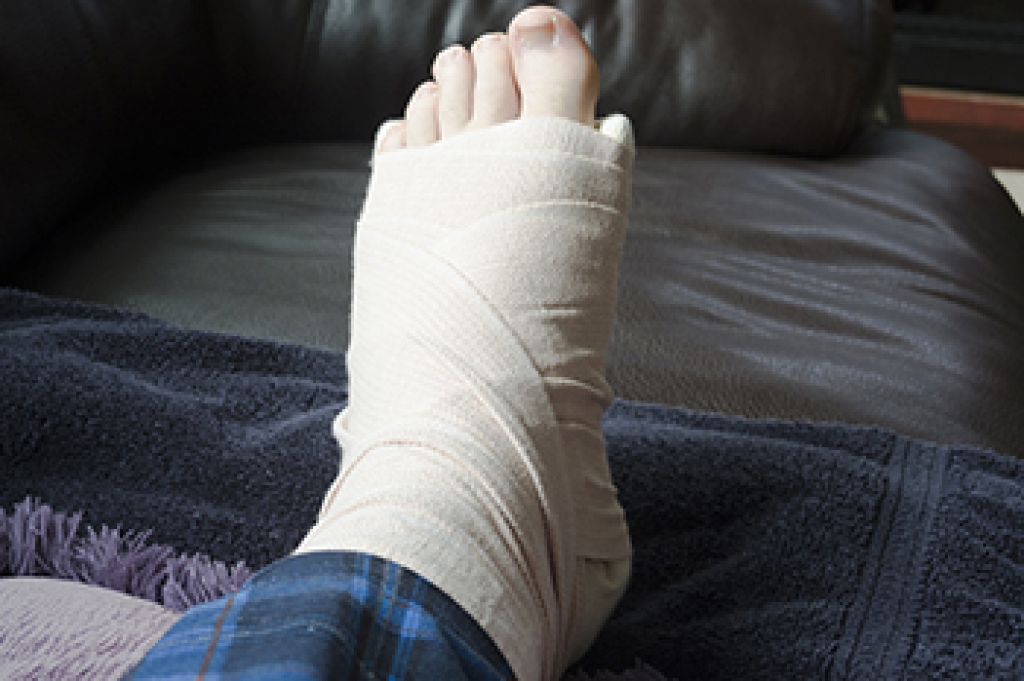
Bones are essential components of our skeletal system, providing support, facilitating movement, and safeguarding our internal organs. When a bone undergoes excessive force, resulting in a fracture, it can lead to pain, reduced function, bleeding, and injury in the affected area. A broken foot is no exception. There are different types of bone fractures, including closed and open fractures, greenstick fractures in children, and hairline fractures. Complicated fractures, comminuted or bone shattering fractures, and avulsion fractures can also be added to the list. A podiatrist will diagnose a foot fracture through X-rays, CT scans, or MRI scans. Treatment can include splints, braces and plaster casts. Additionally, undergoing traction and surgical procedures may also be viable treatment options. If you have broken your foot, it is strongly suggested that you make an appointment with a podiatrist who can determine that the best treatment method is for you.
A broken foot requires immediate medical attention and treatment. If you need your feet checked, contact one of our podiatrists from Manhattan Footcare. Our doctors can provide the care you need to keep you pain-free and on your feet.
Broken Foot Causes, Symptoms, and Treatment
A broken foot is caused by one of the bones in the foot typically breaking when bended, crushed, or stretched beyond its natural capabilities. Usually the location of the fracture indicates how the break occurred, whether it was through an object, fall, or any other type of injury.
Common Symptoms of Broken Feet:
Those that suspect they have a broken foot shoot seek urgent medical attention where a medical professional could diagnose the severity.
Treatment for broken bones varies depending on the cause, severity and location. Some will require the use of splints, casts or crutches while others could even involve surgery to repair the broken bones. Personal care includes the use of ice and keeping the foot stabilized and elevated.
If you have any questions, please feel free to contact our offices located in Manhattan and Brooklyn, NY . We offer the newest diagnostic and treatment technologies for all your foot care needs.
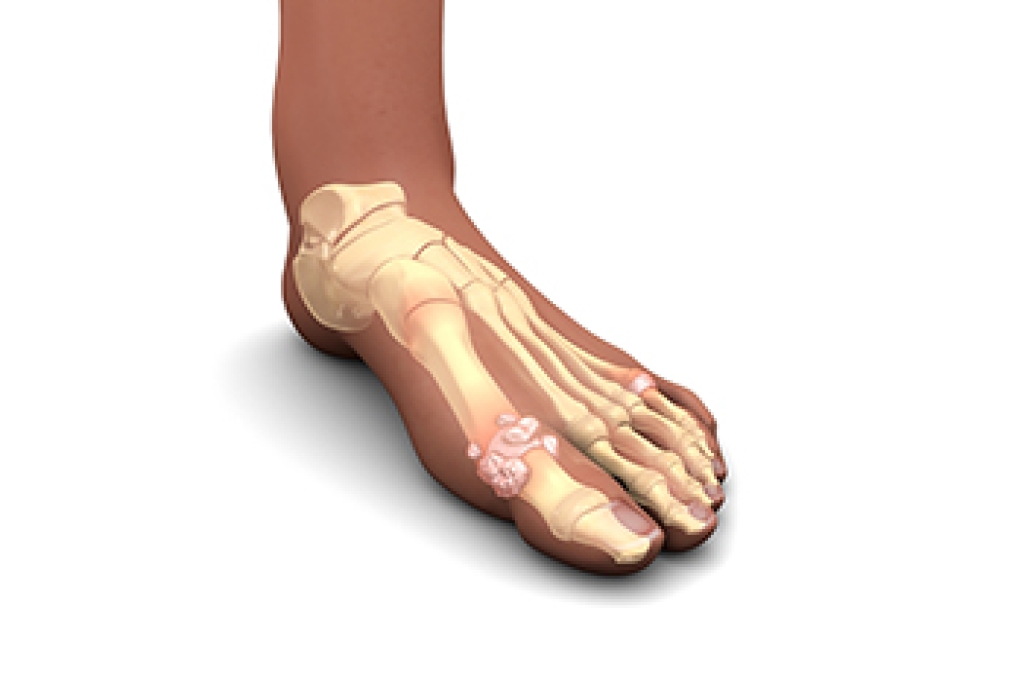
Gout is a form of inflammatory arthritis and emerges as an excruciating reminder of our lifestyle choices. Characterized by intense pain, redness, and swelling, gout often targets the joints, primarily the big toe. The underlying cause of gout lies in the accumulation of uric acid crystals within these joints, leading to sudden and severe flare-ups. These crystals form when there is an excess of uric acid in the bloodstream. This can be a result of a diet rich in purines, alcohol consumption, obesity, or even genetic predisposition. As these needle-like crystals jab into the joint, the body responds with inflammation, driving the typical symptoms of gout. Beyond the immediate agony, this condition serves as a reminder that moderation and balanced living play pivotal roles in safeguarding our joint health. If you have developed gout, it is strongly suggested that you are under the care of a podiatrist who can help you manage this condition.
Gout is a foot condition that requires certain treatment and care. If you are seeking treatment, contact one of our podiatrists from Manhattan Footcare. Our doctors will treat your foot and ankle needs.
What Is Gout?
Gout is a type of arthritis caused by a buildup of uric acid in the bloodstream. It often develops in the foot, especially the big toe area, although it can manifest in other parts of the body as well. Gout can make walking and standing very painful and is especially common in diabetics and the obese.
People typically get gout because of a poor diet. Genetic predisposition is also a factor. The children of parents who have had gout frequently have a chance of developing it themselves.
Gout can easily be identified by redness and inflammation of the big toe and the surrounding areas of the foot. Other symptoms include extreme fatigue, joint pain, and running high fevers. Sometimes corticosteroid drugs can be prescribed to treat gout, but the best way to combat this disease is to get more exercise and eat a better diet.
If you have any questions, please feel free to contact our offices located in Manhattan and Brooklyn, NY . We offer the newest diagnostic and treatment technologies for all your foot care needs.
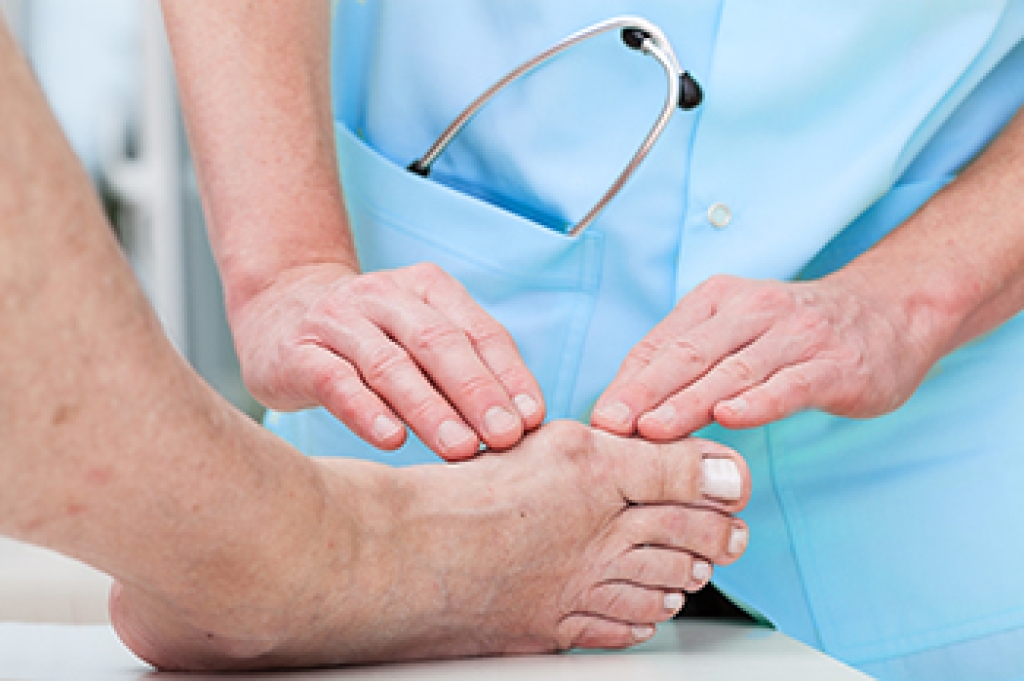
Bunions, those bony protrusions at the base of the big toe, can escalate from a minor inconvenience to a significant source of pain and discomfort over time. Fortunately, bunion surgery can help to alleviate pain and restore proper alignment of the big toe. Success rates hover around 85%, but perfect alignment and painlessness aren't guaranteed. Reduced joint flexibility, stiffness, and minor foot shortening are potential outcomes. Several surgery types exist, tailored to the severity of the bunion. Osteotomy, a common approach, involves cutting and realigning the bone. Soft tissue realignment may accompany this procedure. Arthrodesis fuses bones in the big toe joint, an option for severe deformities or advanced joint deterioration. Excision arthroplasty removes the bunion and a section of bone, creating a healing false joint. Following surgery, swelling is to be expected for several months. Elevation, crutches, and specially designed shoes will be essential during recovery, which may last approximately six months. If you have a bunion that is impeding you from performing your daily activities, it is suggested that you make an appointment with a podiatrist who can recommend the best treatment options for you.
If you are suffering from bunion pain, contact one of our podiatrists of Manhattan Footcare. Our doctors can provide the care you need to keep you pain-free and on your feet.
What Is a Bunion?
Bunions are painful bony bumps that usually develop on the inside of the foot at the joint of the big toe. As the deformity increases over time, it may become painful to walk and wear shoes. Women are more likely to exacerbate existing bunions since they often wear tight, narrow shoes that shift their toes together. Bunion pain can be relieved by wearing wider shoes with enough room for the toes.
Causes
Symptoms
In order to diagnose your bunion, your podiatrist may ask about your medical history, symptoms, and general health. Your doctor might also order an x-ray to take a closer look at your feet. Nonsurgical treatment options include orthotics, padding, icing, changes in footwear, and medication. If nonsurgical treatments don’t alleviate your bunion pain, surgery may be necessary.
If you have any questions, please feel free to contact our offices located in Manhattan and Brooklyn, NY . We offer the newest diagnostic and treatment technologies for all your foot care needs.
Connect With Us

